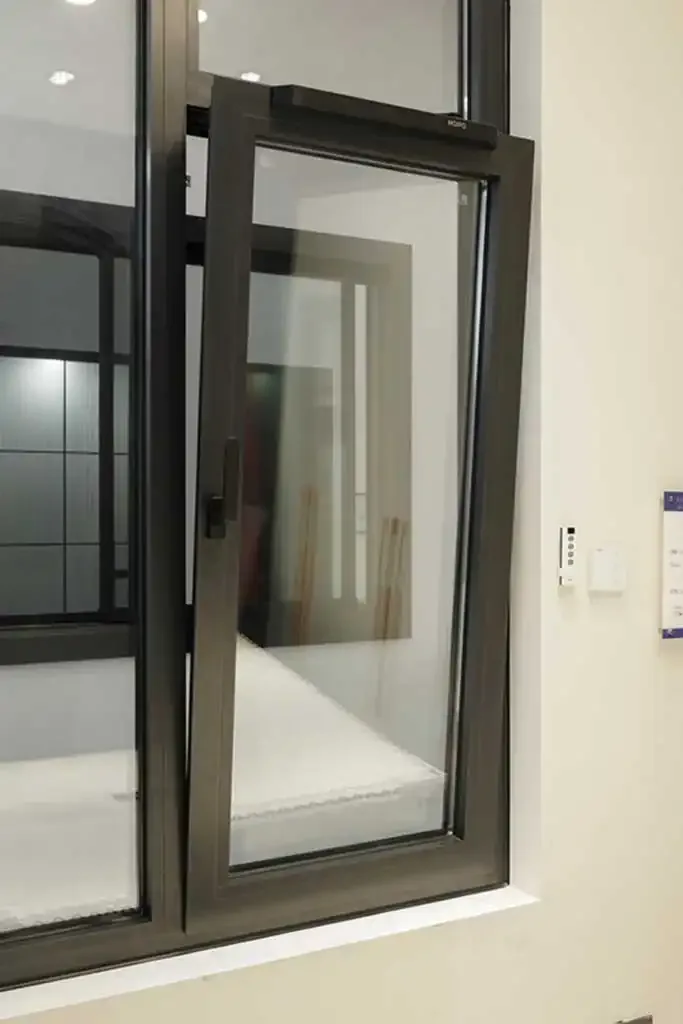
What Makes a Passive House Door
A passive house door limits heat loss through the frame, glass, and seals. WANJIA Hiseng builds these doors with thermal break profiles, triple glazing, and multi-point locking that pulls the panels tight against the gaskets. The result is a door that supports the performance targets of low-energy building projects.
We do not assign a passive house label to any product. Instead, we describe the construction and let you evaluate it against your project requirements. The same platform used in our 91 series aluminum tilt and turn windows, with a Uw of 1.4 W/m²K, is available for door configurations.
Every door is made to order. You specify the rough opening, glazing, finish, and hardware. Our team confirms the details and provides a quote within 3 hours on average.
Construction Details That Matter
These are the core elements we use to reduce thermal transfer in passive house door applications.
Thermal break profiles
Aluminum frames with a non-conductive barrier between inner and outer sections reduce heat flow through the frame.
Triple glazing option
Three panes with insulating cavities and Low-E coatings cut heat loss and improve comfort near the door.
Multi-point seals
Compression gaskets around the full perimeter work with the locking system to limit air leakage.
Custom sizing
Doors are built to your rough opening dimensions, not stock sizes, so the frame fits the building envelope.
Typical Specifications
Values below come from our existing product platform and may vary by configuration.
| Frame material | Aluminum with thermal break |
|---|---|
| Glazing | Double or triple with Low-E |
| Hardware brands | ROTO, SIEGENIA, CMECH |
| Reference Uw | 1.4 W/m²K (91 series platform) |
| Lead time | 25-30 business days |
| Quote speed | Within 3 hours |
| Minimum order | 2 square meters |
| Warranty | Depends on the specific product and contract terms |
Final specifications depend on the door configuration, glass package, and hardware selected.
Related Products
Explore other window and door systems from WANJIA Hiseng.
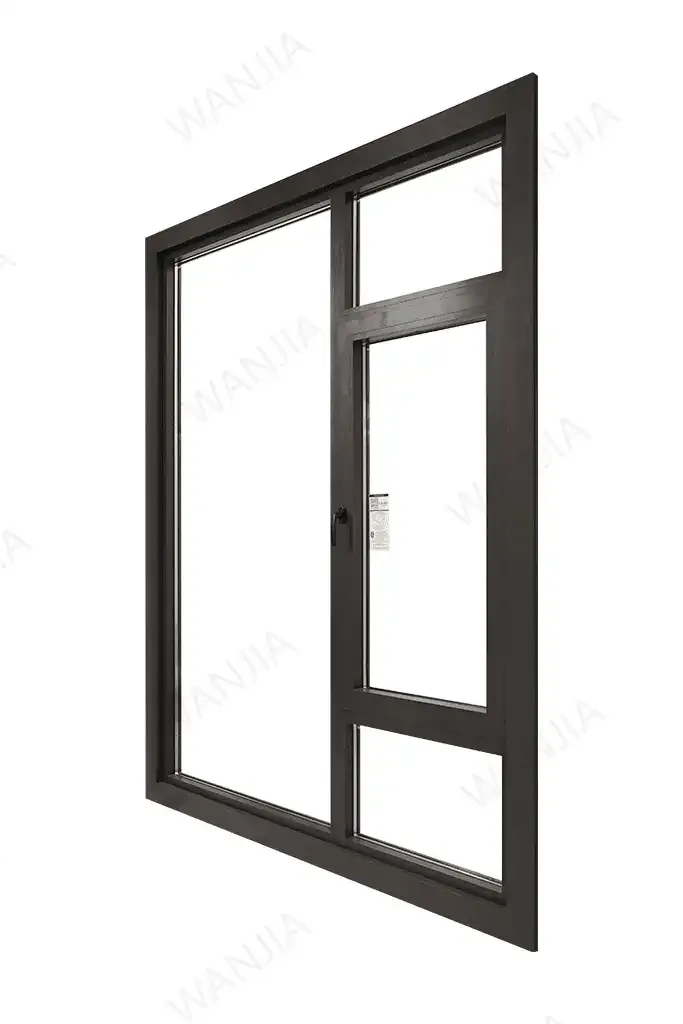
German Windows Tilt and Turn
German style tilt and turn windows with multi-point locking and thermal break frames.
View details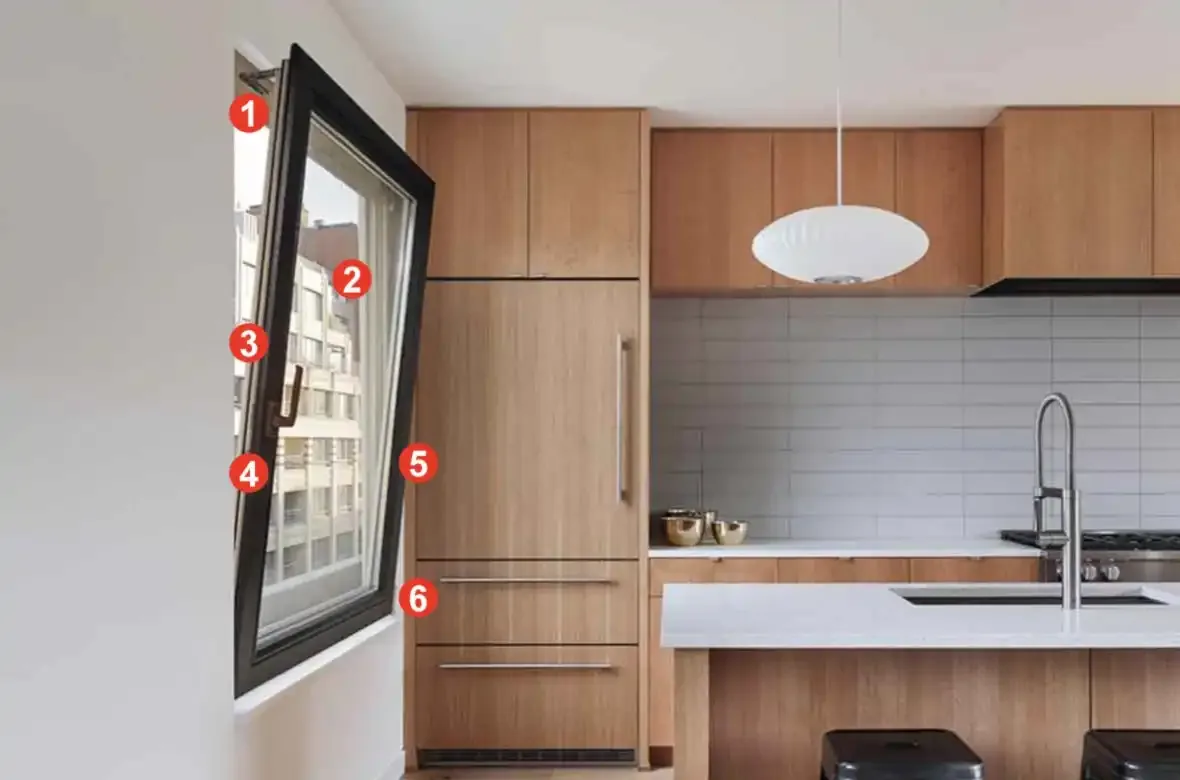
Aluminium Tilt and Turn Windows
Aluminum tilt and turn windows with slim profiles and low U-values.
View details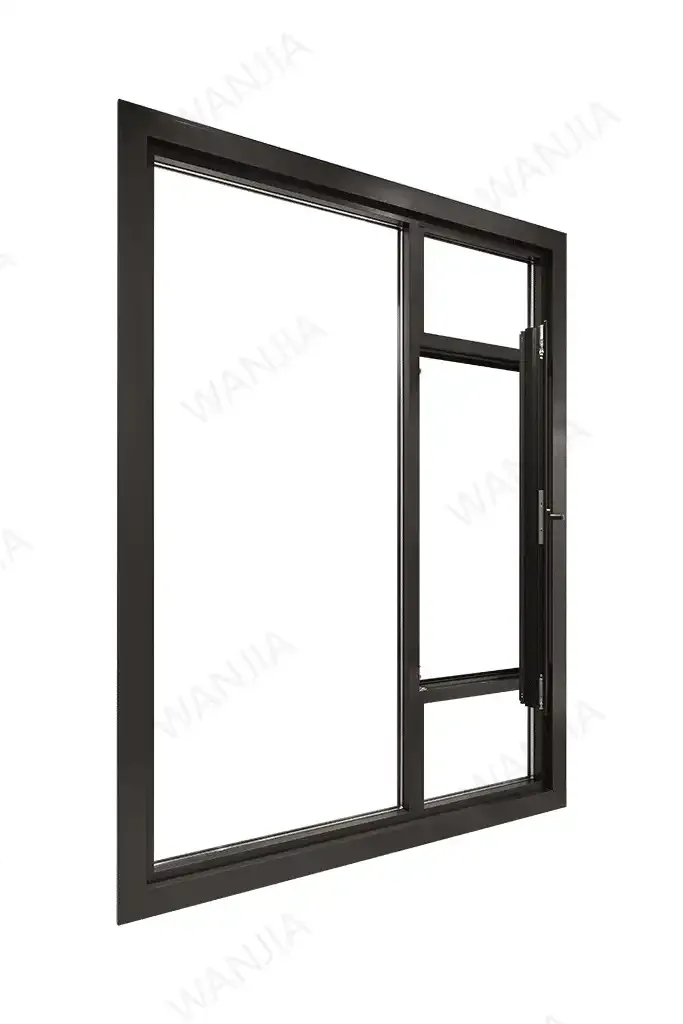
Aluminum Clad Wood Tilt and Turn Windows
Wood interior with aluminum exterior for warm aesthetics and weather resistance.
View details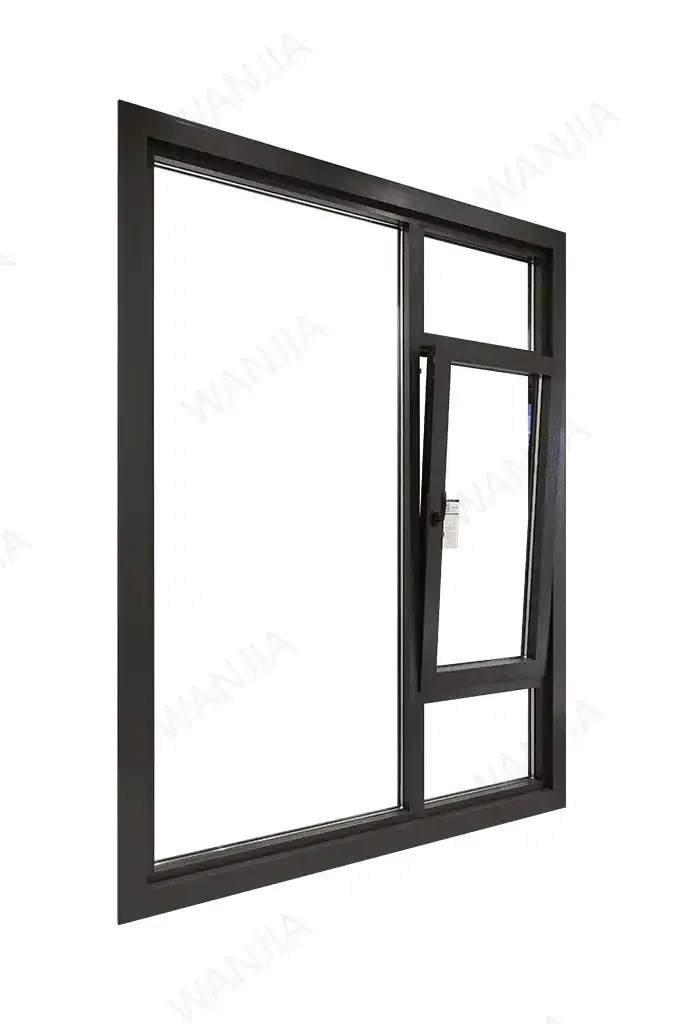
Passive House Windows
Windows designed for low-energy homes with triple glazing and thermal breaks.
View detailsChoosing the Right Passive House Door
Start with the rough opening. Measure width and height at three points and use the smallest dimension. This ensures the door frame seats properly and the seals compress evenly. For large openings, consider a passive house sliding door or a tilt and slide configuration to manage panel weight and operation.
Think about how the door will be used. A passive house front door sees daily traffic and needs durable hardware. A passive house patio door may prioritize glass area and ease of operation. We can build swing, tilt and turn, or sliding doors with the same thermal break and glazing options.
Questions buyers ask
What is the difference between a passive house door and a standard exterior door?
A passive house door focuses on reducing thermal bridging and air leakage. It uses a thermally broken frame, multiple gaskets, and often triple glazing. Standard exterior doors may have less insulation and simpler seals. We build doors to these higher performance details without claiming any passive house certification.
Can you make passive house sliding doors or patio doors?
Yes. We can configure sliding and patio doors with thermal break profiles, triple glazing, and multi-point seals. The same principles apply: limit heat transfer through the frame and glass, and ensure tight compression when closed. Custom sizes are available.
Do you offer passive house entry doors with sidelights?
We can build entry doors with fixed sidelights or transoms. The entire assembly uses the same thermal break and glazing options. You provide the rough opening dimensions, and we design the door and sidelight combination to fit.
Are these doors tested for passive house standards?
We do not claim passive house certification for our doors. Our products are built with thermal break and triple glazing details that support low-energy building goals. You can request specific performance data for the glazing and frame materials.
Get a Quote for Your Project
Send your rough opening and specs for a detailed quote.